ADHD in Aotearoa: Why Being a Kiwi with ADHD Feels Different
ADHD doesn’t change based on where you live—but how you experience it absolutely does.
In New Zealand, our cultural default is often “she’ll be right,” but if you’ve got ADHD, chances are… it won’t be.
This is a look at ADHD through a distinctly Kiwi lens—because our quiet, self-deprecating culture shapes how we see ourselves, how we seek help, and what we’re told we should just push through.
Let’s talk about what it’s really like being a Kiwi with ADHD—because it’s not quite the same as the stories you hear from across the ditch or online.
We Don’t Like Making a Fuss (But Sometimes We Should)
Kiwi culture is full of quiet achievers, modest wins, and people who’d rather say “nah, I’m fine” than admit they’re drowning.
When you live with ADHD, that mindset can delay diagnosis, stop you from asking for support, or even make you feel guilty for needing help at all.
Meanwhile in the US, everyone’s on ADHD TikTok, getting diagnosed in their 30s, and turning their lived experience into a podcast.
Here? We’re still trying to convince our GP it’s not just stress.
The ‘She’ll Be Right’ Trap
“She’ll be right” might work for a flat tyre or forgetting your lunch—but it doesn’t help with chronic executive dysfunction.
For many of us, it means years of untreated symptoms and internalised shame because we’re told we just need to try harder, get organised, or stop being lazy.
We’re DIY, But It’s Not Always Enough
Yes, the No. 8 wire spirit means many ADHDers here are problem-solvers, creators, and thinkers. But when it comes to ADHD, DIY doesn’t cut it—especially when you can’t even start the task.
We need proper support, not just clever workarounds.
You Can’t Be a Tall Poppy (Especially if You Talk Too Fast)
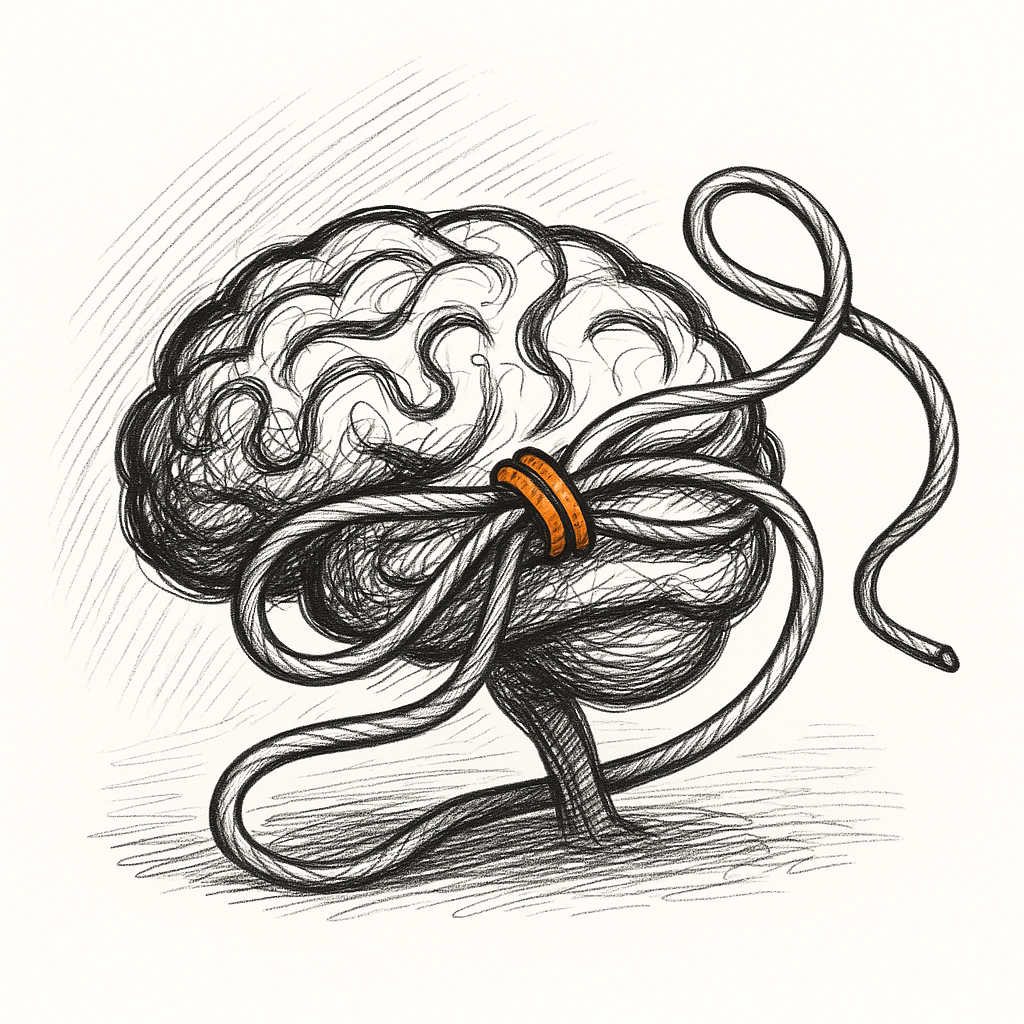
ADHDers can come across as intense, energetic, scattered, or “too much.”
In a culture that values staying humble and keeping your head down, that can be socially costly.
So we mask. We shrink ourselves. We try to tone it down—and that’s exhausting.
Diagnosis Isn’t Straightforward in NZ
Long waitlists, expensive private assessments, and inconsistent knowledge across health providers mean many of us go undiagnosed or misdiagnosed for years.
The system’s catching up—but too slowly. Especially for women, parents, Māori, Pasifika, and rural folk.
A Note on Culture and ADHD Around the World
While this post focuses on ADHD in Aotearoa, culture shapes how ADHD is understood and addressed across the globe. Here is one woman’s account of diagnosis in China.
Across cultures, people interpret ADHD symptoms differently. Not because they deny the challenges, but because every culture defines “normal” in its own way. Clinicians often rely on input from teachers, parents, and caregivers. These reports reflect cultural norms and unconscious bias, which can influence diagnosis outcomes.
In some cultures, traits labelled as hyperactivity or impulsivity here might be seen as confidence, creativity, or emotional expressiveness. And in others, parents may avoid seeking help due to stigma, mistrust of medical systems, or beliefs that symptoms will fade with maturity.
A 2020 article from MedCentral explains how these cultural frameworks influence whether families pursue treatment, accept a diagnosis, or trust options like stimulant medication.
Culture doesn’t just shape how ADHD looks—it shapes how people respond to it, and whether they ever get help at all.
So while this post focuses on ADHD in Aotearoa, it’s part of a much bigger picture. One where cultural context matters — not just in diagnosis, but in how we make sense of ourselves.
Even within Aotearoa, cultural experience matters. Māori and Pasifika whānau may have different views on behaviour, diagnosis, and help-seeking. Some may avoid formal services due to systemic distrust, racism in education or health, or because support is often framed in deficit-based language. That doesn’t mean there’s no need—just that the system isn’t always built in a way people can trust.
There’s Power in the Quiet Kind of Advocacy
Kiwi ADHDers don’t need to shout to be heard—we just need a platform.
We’re allowed to speak plainly, reflect honestly, and share our stories in our own voice.
You don’t have to become a content machine. You can just be real.
Final Thought
ADHD in Aotearoa isn’t louder or flashier—it’s quieter. Often hidden. Sometimes misunderstood. But it’s here.
If you don’t quite fit the TikTok ADHD stereotype, maybe that’s because it wasn’t made for you. You’re a Kiwi. You’ve got your own story to tell—and it deserves space too.
Find out Why I’m Rewriting Normal